
LED replacement for fluorescent tubes with RENOKIT
Convert to LED and save up to 60% of energy
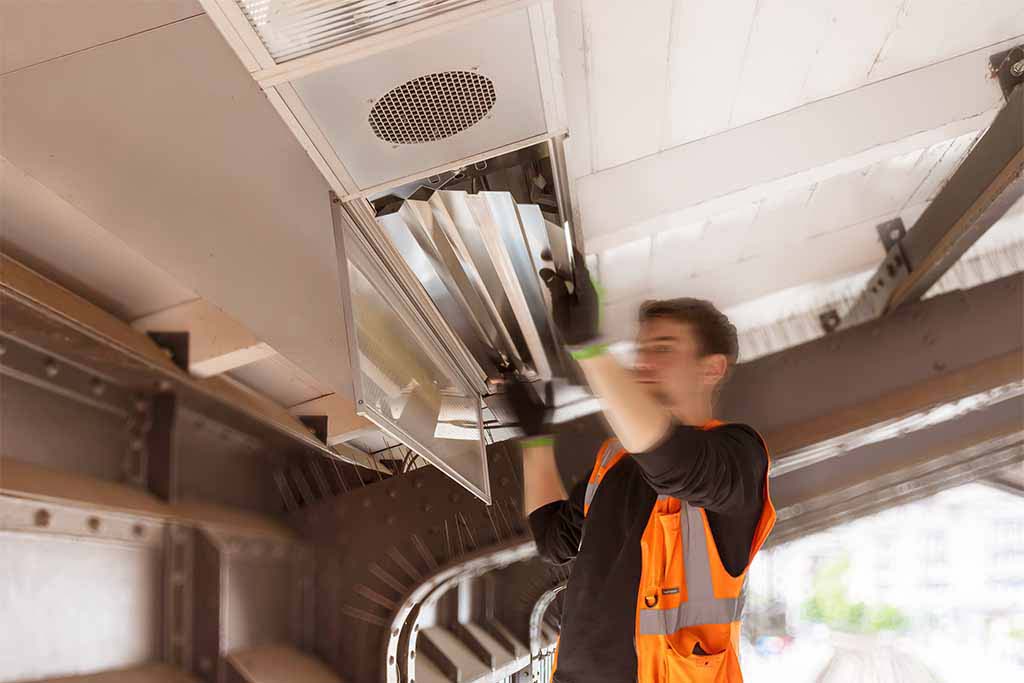
LED conversion, energy-efficient lighting, and sustainable modernization have become essential in industry, transport, and production facilities. Many companies still rely on conventional fluorescent or discharge lamps. While these have been reliable for years, they no longer meet current requirements for light quality, digital control, and energy efficiency. Declining light output, rising maintenance costs, and limited availability of spare parts make operation increasingly uneconomical. The EU-wide ban on fluorescent lamps adds further pressure, requiring operators to upgrade their lighting systems to modern solutions. Full luminaire replacements often involve high investment costs, long downtimes, and significant installation effort.
The LED RENOKIT offers a practical solution. It provides reduced operating costs, modern light quality, and high reliability, while supporting sustainability by lowering energy consumption and reducing operational CO₂ emissions.
RENOKIT – the modular renovation kit for your lighting
With RENOKIT, NORKA offers a specially developed retrofit system that efficiently converts existing NORKA luminaires to modern LED technology in a future-proof manner. Instead of replacing the entire luminaire, the existing housing and building installation continue to be used – creating a sustainable solution that protects investments and significantly reduces installation costs.
What makes it special is that the RENOKIT can be individually adapted to the respective requirements in industrial or commercial environments. RENOKIT contains all the components necessary for quick and safe conversion – from LED reflectors and driver to installation instructions. Each component is optimally coordinated with the others, ensuring a reliable and durable lighting solution.
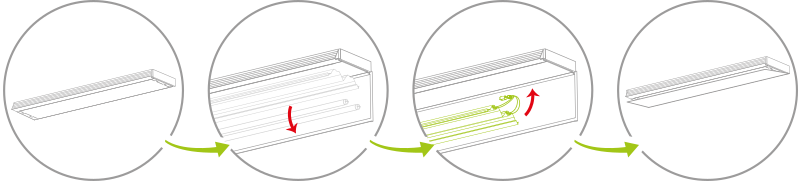
Key benefits of RENOKIT
An overview of the RENOKIT models
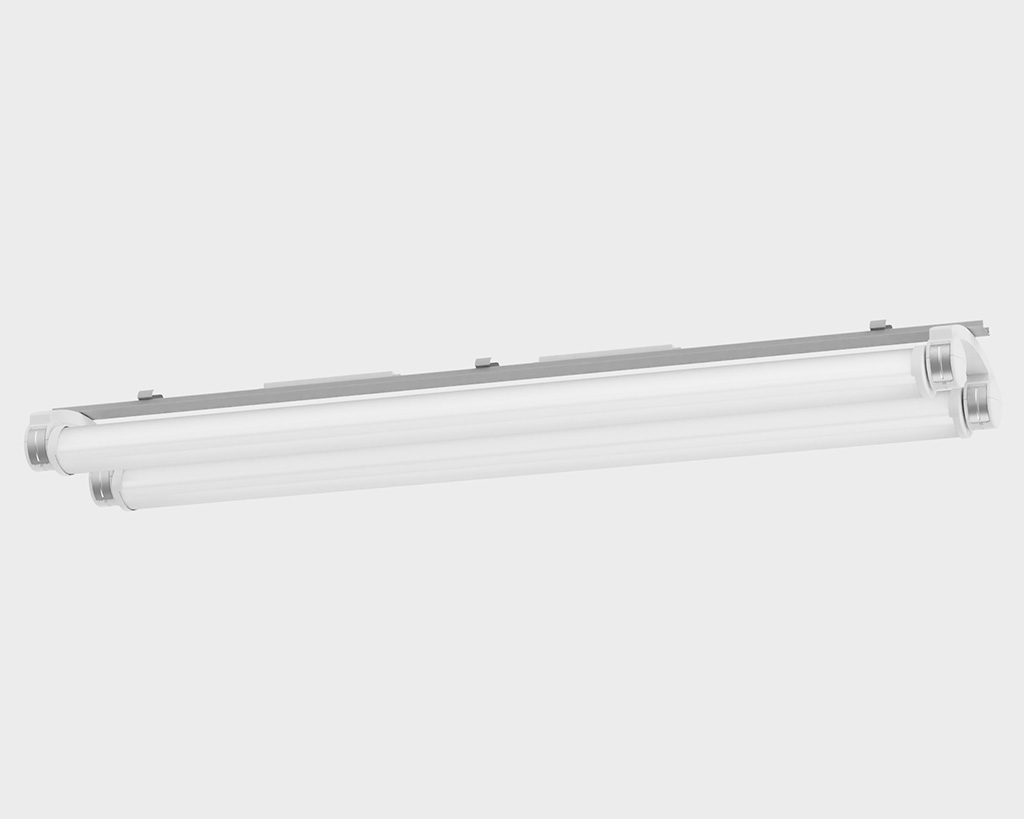
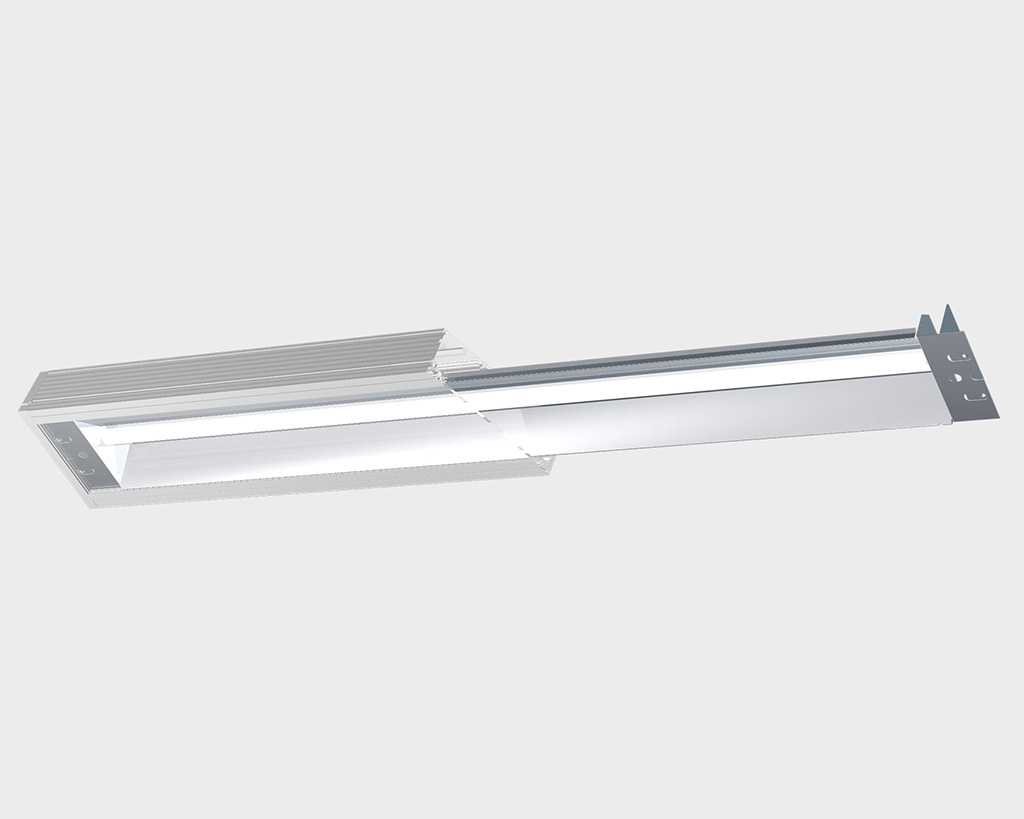
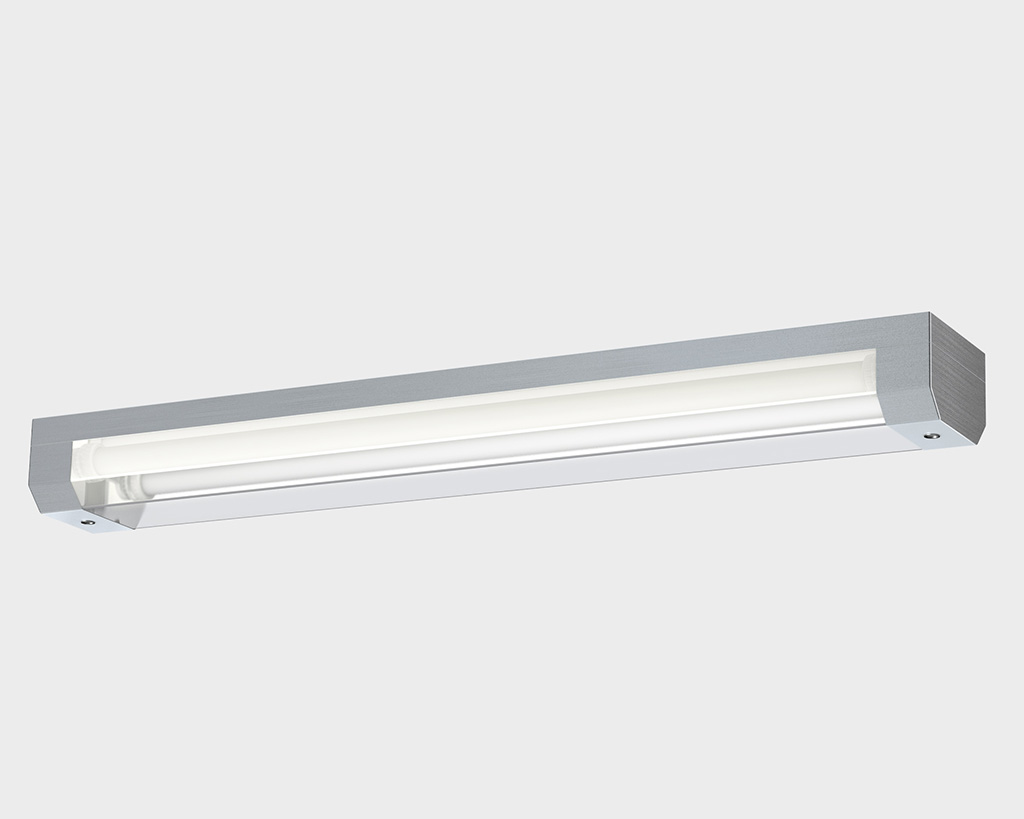
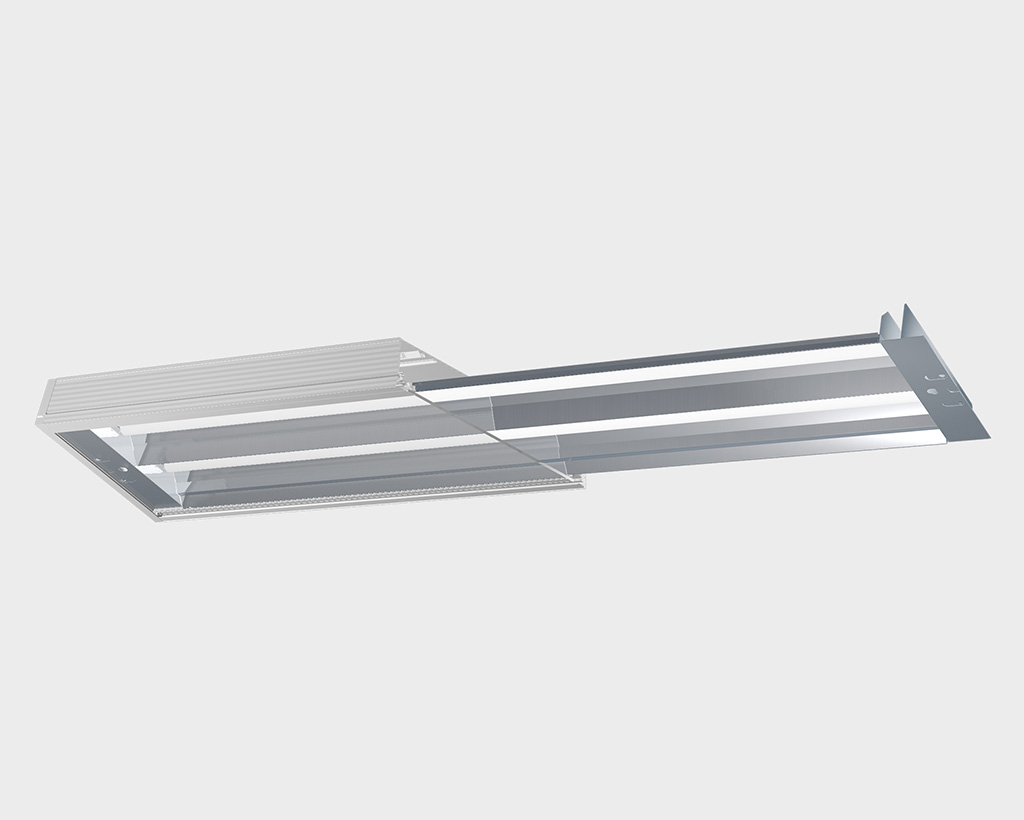
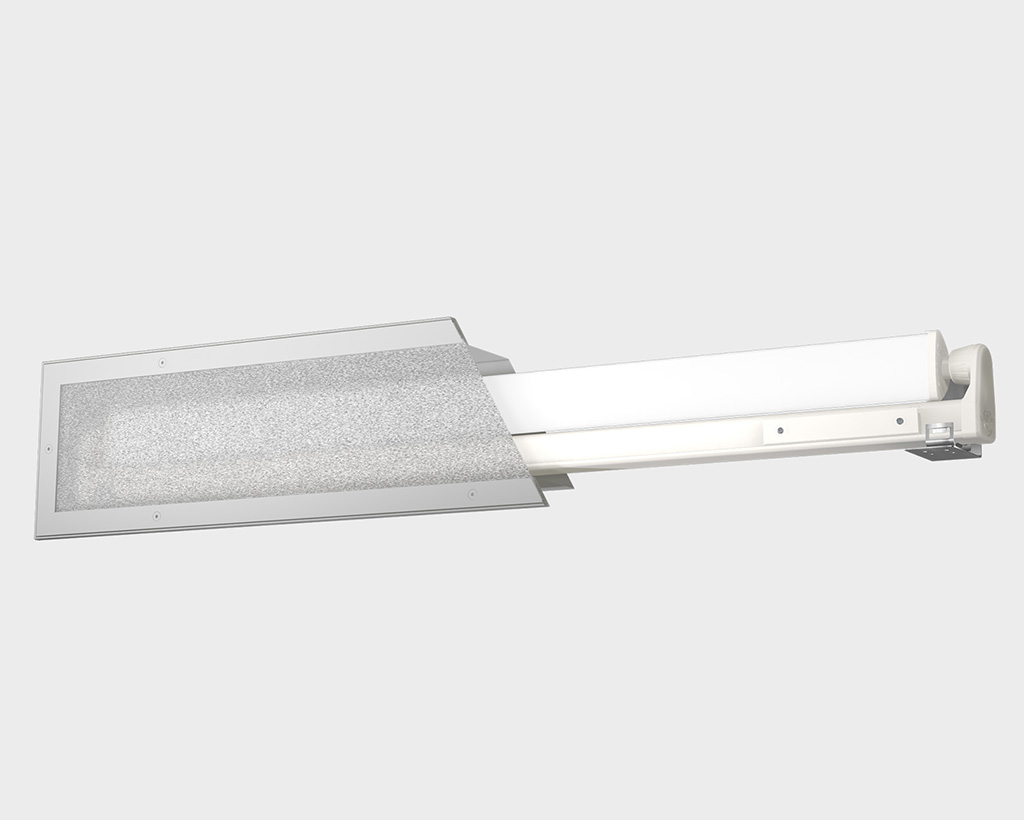
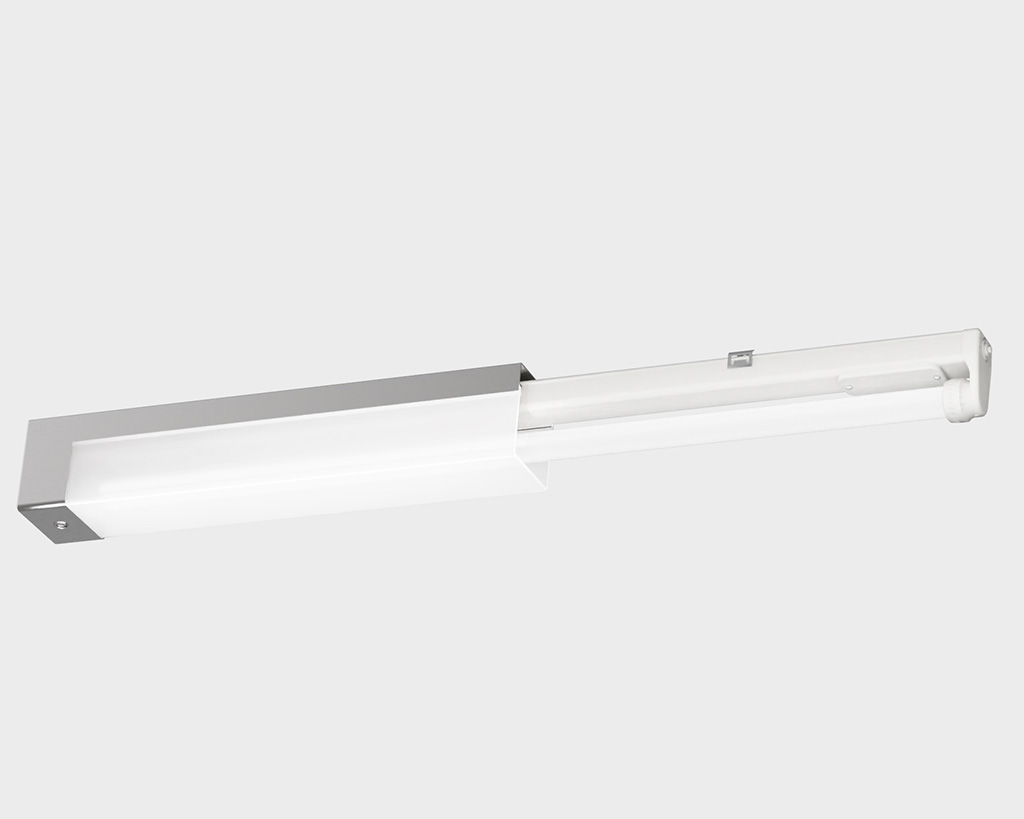
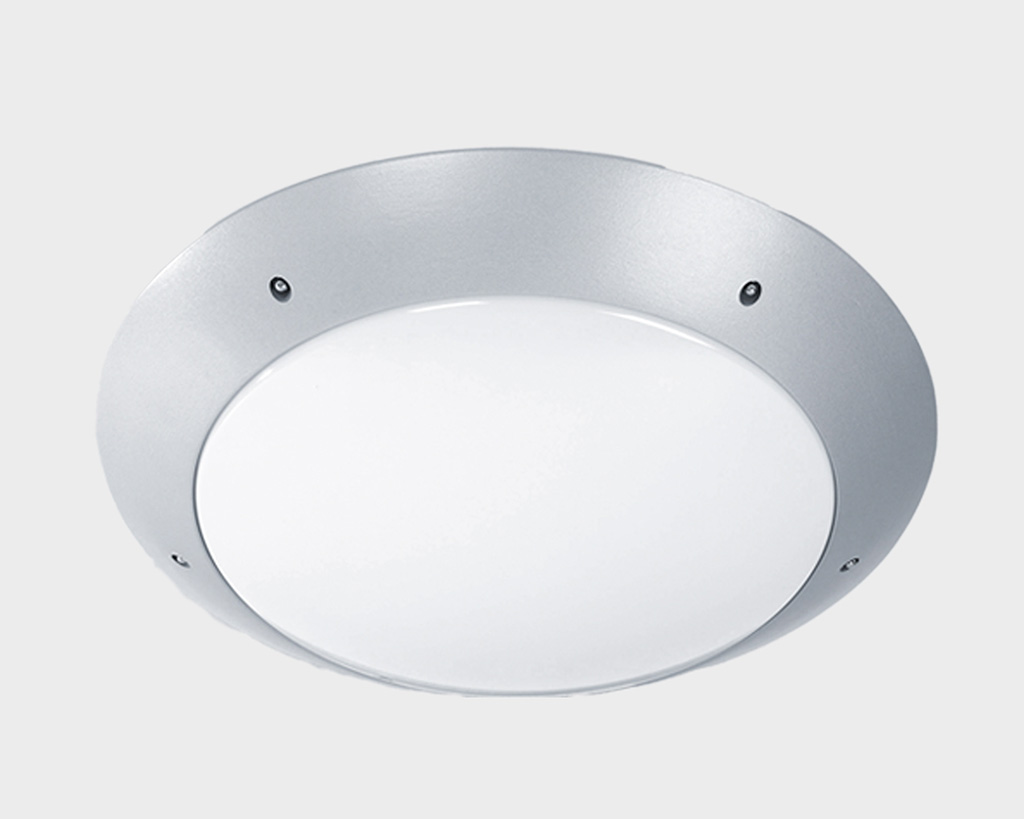
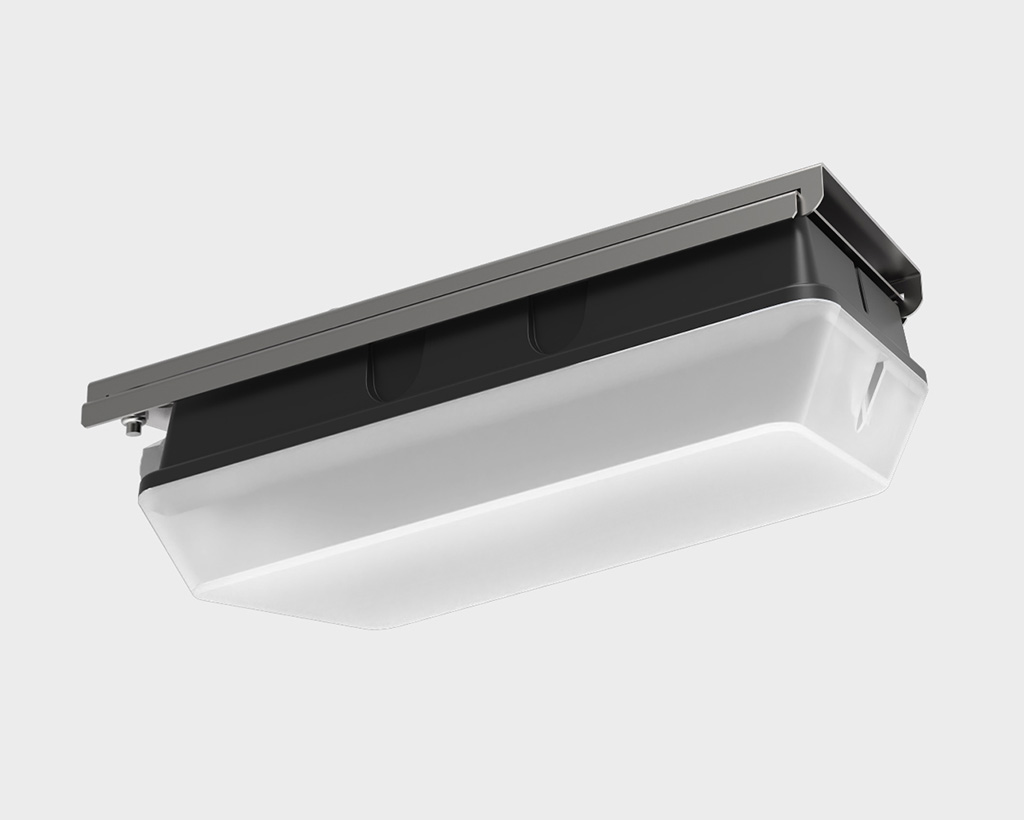
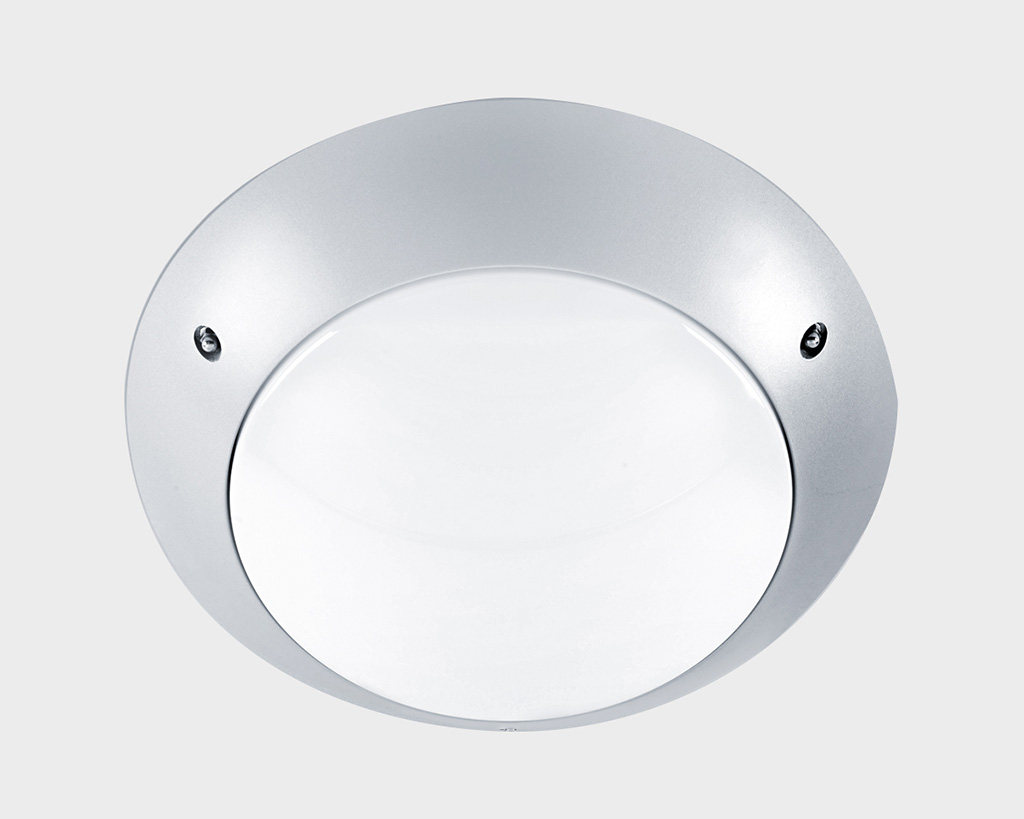
Customised refurbishment kits for luminaires
In addition to its standard retrofit kits, NORKA also offers the option of developing customised replacement kits for existing luminaires. A bespoke solution is particularly suitable for large-scale projects with specific requirements, such as the refurbishment of listed buildings. Please feel free to contact our sales team!
Retrofit solutions for industry and trade
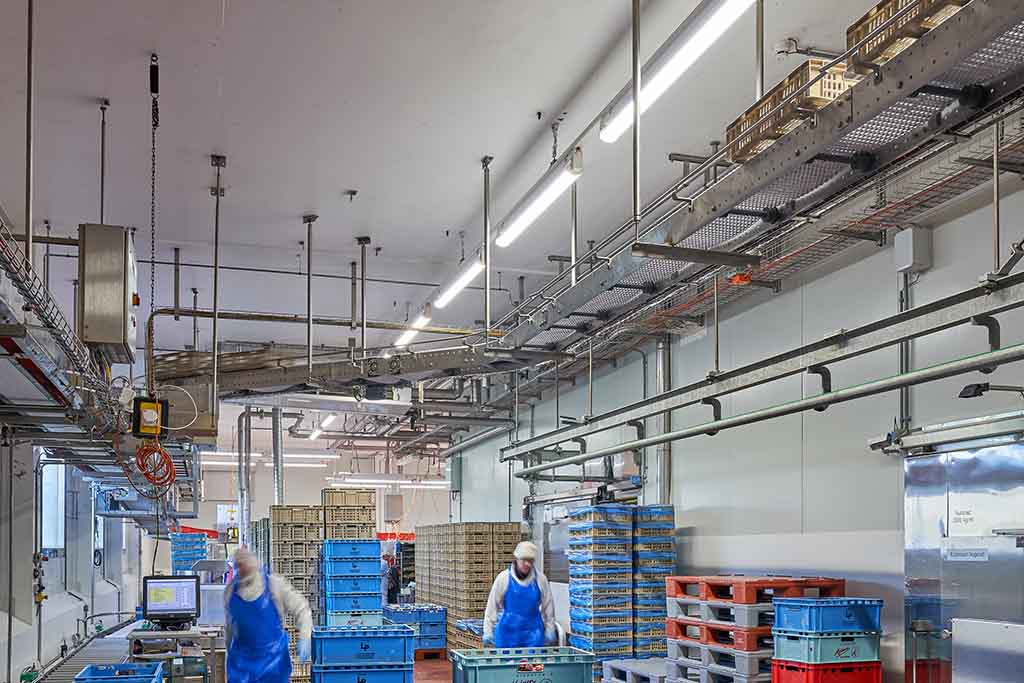
RENOKIT enables existing luminaires to be retrofitted with LED technology. The LED modules and driver are integrated directly into the existing luminaire housings, thus preserving the luminaire installation and minimizing disruption to production processes.
The solution takes thermal management into account so that LEDs continue to operate reliably even at high ambient temperatures, while also complying with applicable industrial standards for illuminance and safety. This modular and technically sophisticated approach extends maintenance cycles and reduces total cost of ownership while continuing to utilize existing infrastructure.
Save energy with state-of-the-art LED technology
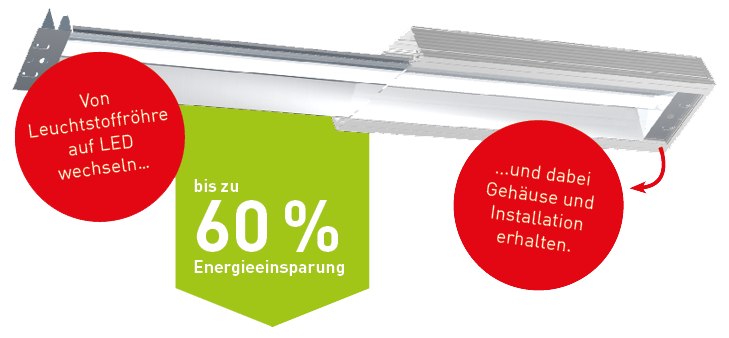
Converting to LED lighting enables a significant reduction in power consumption – often by up to 60% compared to conventional bulbs. LED lights provide uniform, flicker-free illumination and are available in different color temperatures, allowing them to be flexibly adapted to different requirements in industry and commerce.
Thanks to their long service life, LEDs significantly reduce maintenance costs and replacement cycles. Flexible lighting control and intelligent control systems enable demand-based use and increase efficiency.
Further advantages of LED technology:
> High switching resistance, even with frequent switching on and off.
> Environmentally friendly, as LEDs do not contain harmful substances such as mercury and reduce CO₂ emissions
> Easy integration into existing lighting systems and smart building systems.
Overall, LED conversion provides an economical, sustainable, and future-proof lighting solution that meets today's energy efficiency and sustainability requirements.
What should you consider when replacing fluorescent tubes with LEDs?
FAQ about RENOKIT: Frequently asked questions about LED retrofitting
Further questions on this topic are answered in our FAQ section.
1. What does the ban on fluorescent tubes mean for businesses?
2. How much energy does an LED conversion with RENOKIT really save?
3. How much does RENOKIT cost compared to a new luminaire?
4. What happens if my luminaire model is not RENOKIT-compatible?
5. How long is the delivery time for a RENOKIT?
Do you agree to the use of Matomo?