
Agriculture and animal husbandry
Chemical-resistant lighting solutions for agricultural businesses
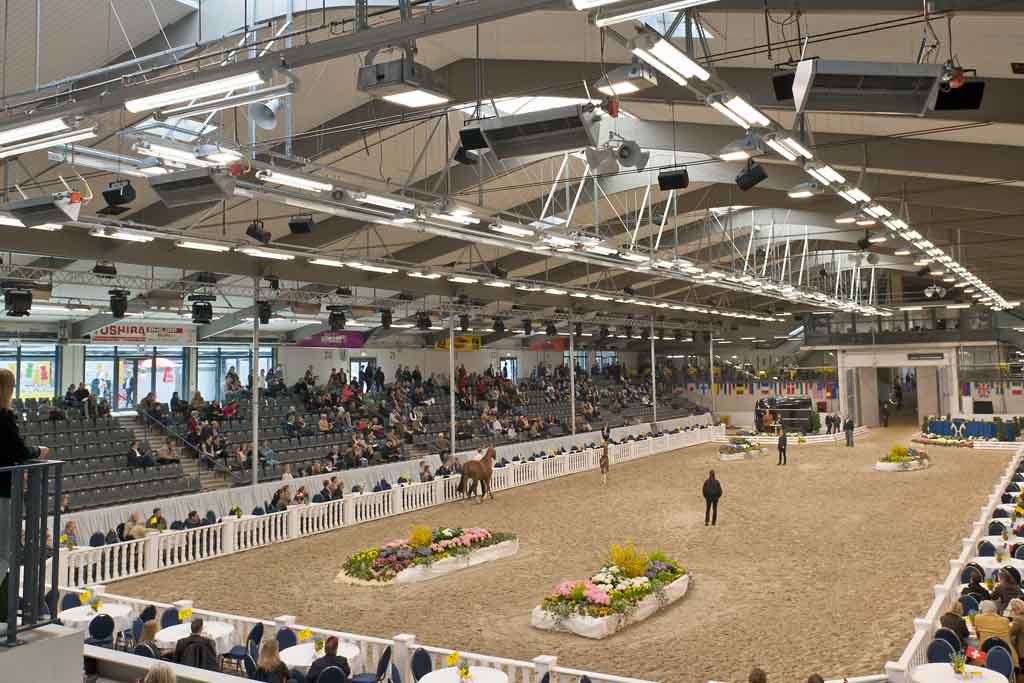
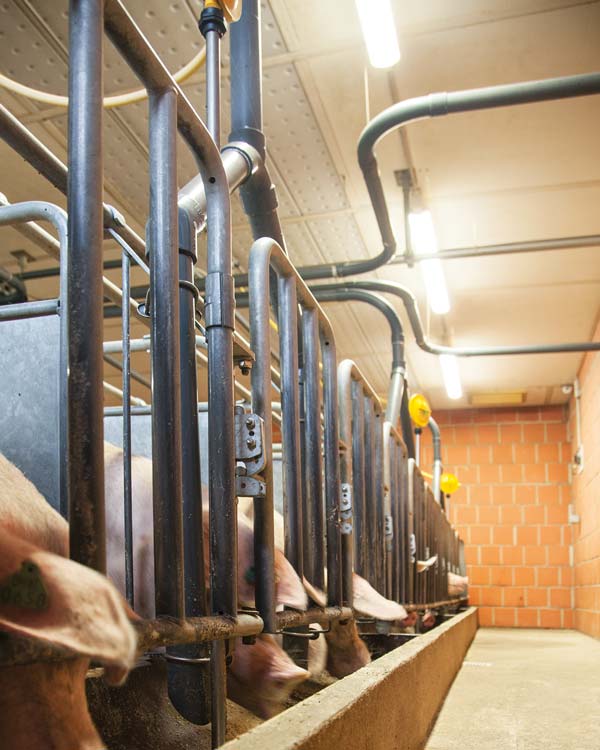
Lighting for agriculture and animal husbandry can be divided into several areas: One is illumination for livestock buildings, the other is the right light for the farm and further processing. Hygiene and animal welfare are key issues in this context.
Ordinances such as the German Animal Welfare – Livestock Husbandry Regulation (Tierschutz-Nutztierhaltungsverordnung) set out the minimum legal requirements for illumination in livestock buildings. Different requirements must be taken into account for different animal species, as the visual perception of each species differs. Providing the right light reduces stress: Minimal glare, uniform illumination of the immediate surroundings and absence of flickering all play a part in ensuring animal welfare. They thus play a major role in barn lighting.
On farms, workshops for machine maintenance are not uncommon. Resistance to chemical substances and easy cleaning are the key factors in these areas. In production processes, such as milking, high colour rendering is a major advantage. High colour rendering makes it easier to assess the yielded product. However, visual inspection is only possible with reliable colour rendering.
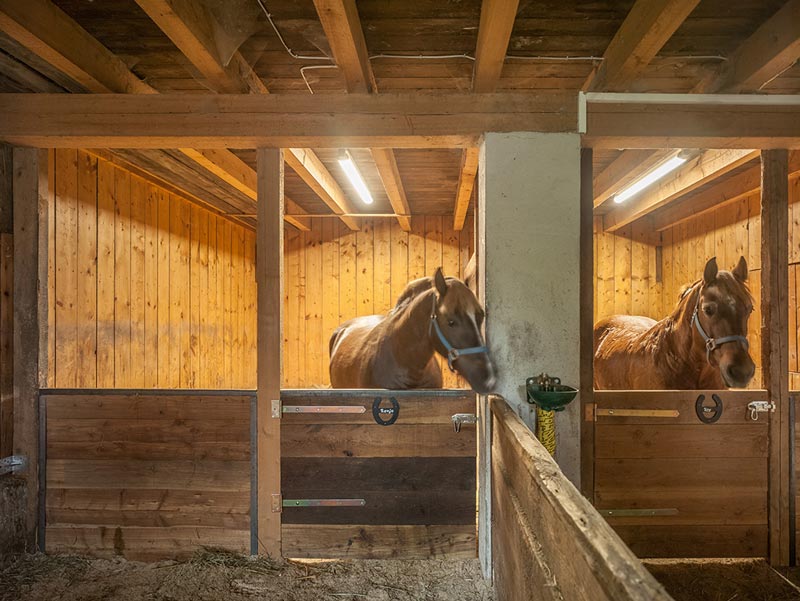
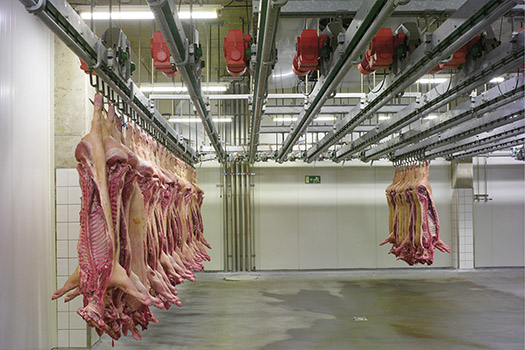
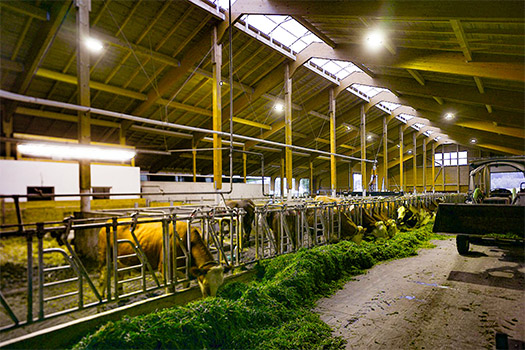
Requirements for illumination in agriculture and animal husbandry
Luminaires must be easy to clean, if necessary with a high-pressure cleaner: IP69K protection rating
Resistance of the luminaires to ammonia or hydrogen sulphide, depending on the animal species
High colour rendering for colour assessment of raw products
Animal welfare: Flicker-free, minimal glare and the right spectral distribution
Do you agree to the use of Matomo?