
IK classification: Importance and selection for luminaires
What is the IK classification according to EN 62262?
The IK classification is an internationally recognised standard for assessing the mechanical impact resistance of enclosures for electrical equipment. It indicates how resistant a product is to mechanical impacts such as shocks, vandalism or accidental force. The standard was developed to ensure that electrical and electronic devices - depending on the environment in which they are used - have an appropriate level of protection. Electricians and technical planners must take these values into account in order to ensure the durability and safety of lighting systems.
The IK class of a luminaire is determined on the basis of the maximum impact energy that the luminaire can withstand without losing its specified IP protection rating. These values are defined in the EN 62262 standard. The standardised test methods for determining the mechanical resistance of electrical equipment are defined in standard EN 60068-2-75. For luminaire housings, the luminaire standard EN 60598-1 specifies a minimum protection rating of IK03, while the transparent cover must have an impact resistance of at least IK class IK02.
IK class: The meaning of the different IK codes
The IK classification is divided into the protection levels IK00 to IK11. The respective value indicates the impact energy that the product can withstand without losing its IP protection rating. This categorisation is carried out in fixed levels that enable reliable comparability.
The test is carried out using special test equipment, which differs depending on the required impact resistance of the luminaire. However, the following analogy can be used to illustrate the impact energy: An IK08 luminaire, for example, can withstand an impact energy of 5 joules, which corresponds to the impact of a 2 kg ball falling onto the housing from a height of 25 cm. An IK10 light, on the other hand, can withstand an energy of 20 joules, which is comparable to the impact of a 5 kg ball from a height of 40 cm.
For values above 50 joules of impact energy, there is no official classification according to EN 62262, but in some cases an increased test is recommended, although the classes IK12, IK13, IK14, IK15 and IK16 or higher do not officially exist according to the EN standard.
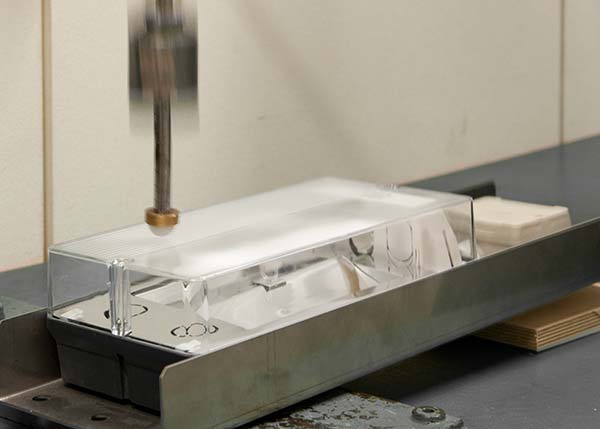
IK11+: Protection up to 150 Joule
NORKA tests the impact resistance up to 150 joules and marks this with the indication IK11+ to make clear that the test exceeds class IK11. This test is carried out analogue to the methods specified in EN 60068-2-75.
Our LED luminaires with class IK11+
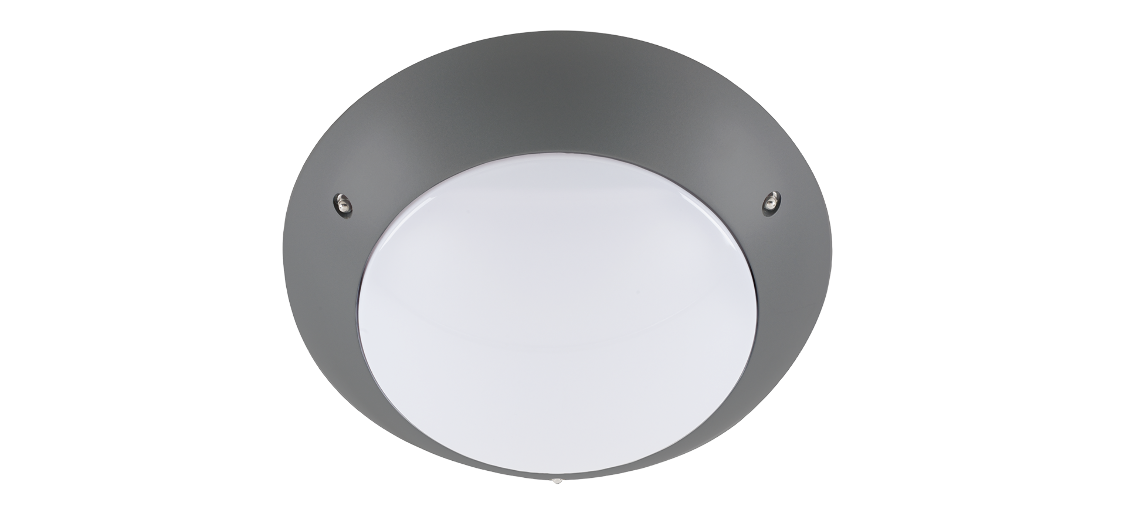
PHALANX 430 (2 Articles)
Round, impact-resistant surface-mounted luminaire (Ø 43 cm) with IK11+
Learn more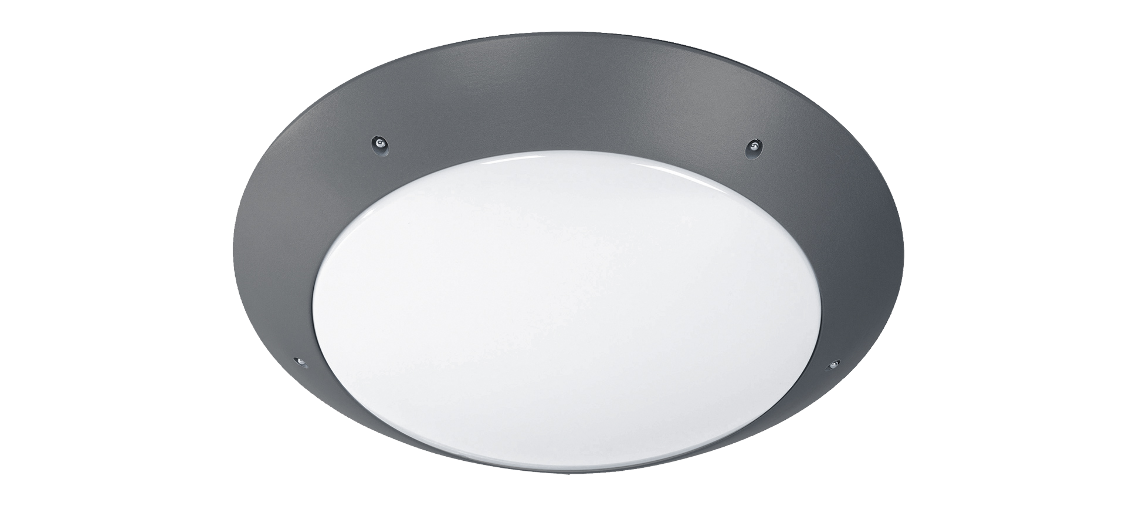
PHALANX 620 (2 Articles)
Round, impact-resistant surface-mounted luminaire (Ø 62 cm) with IK11+
Learn more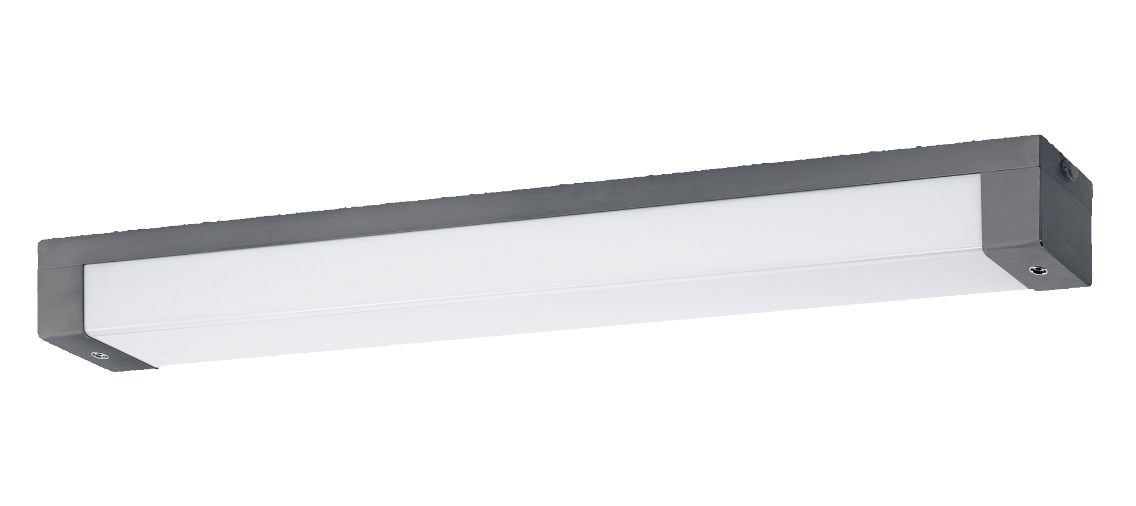
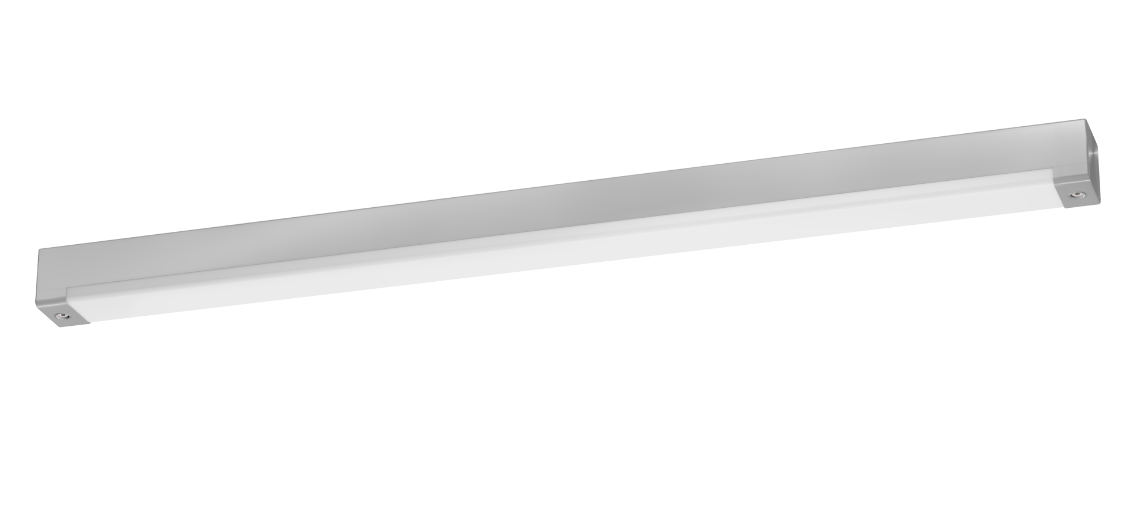
PHALANX LINEAR 115 (6 Articles)
Extremely impact-resistant linear luminaire with IK11+ (up to 150 Joule)
Learn more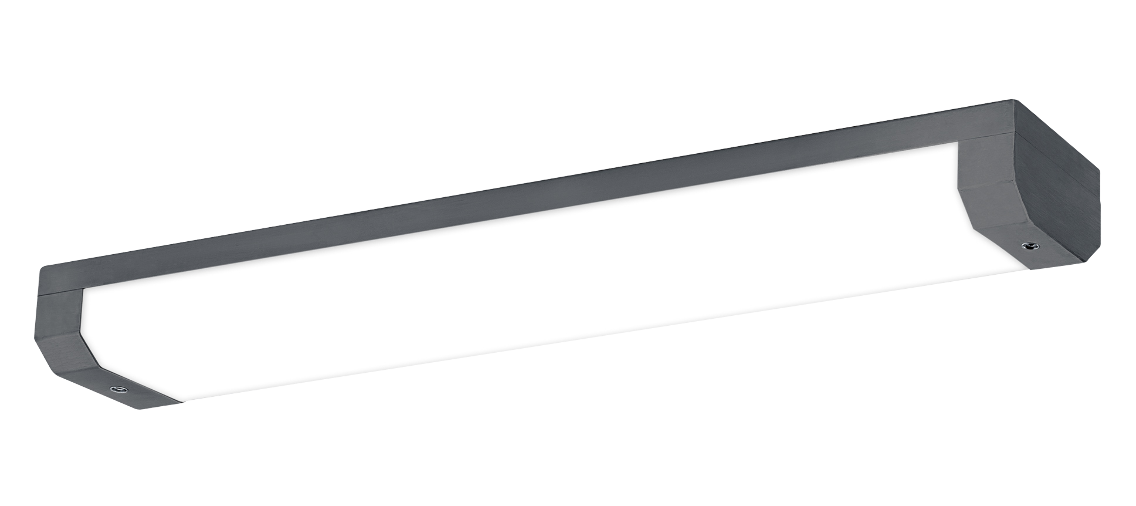
PHALANX LINEAR 200 (12 Articles)
Extremely impact-resistant linear luminaire with IK11+ (up to 150 Joule)
Learn more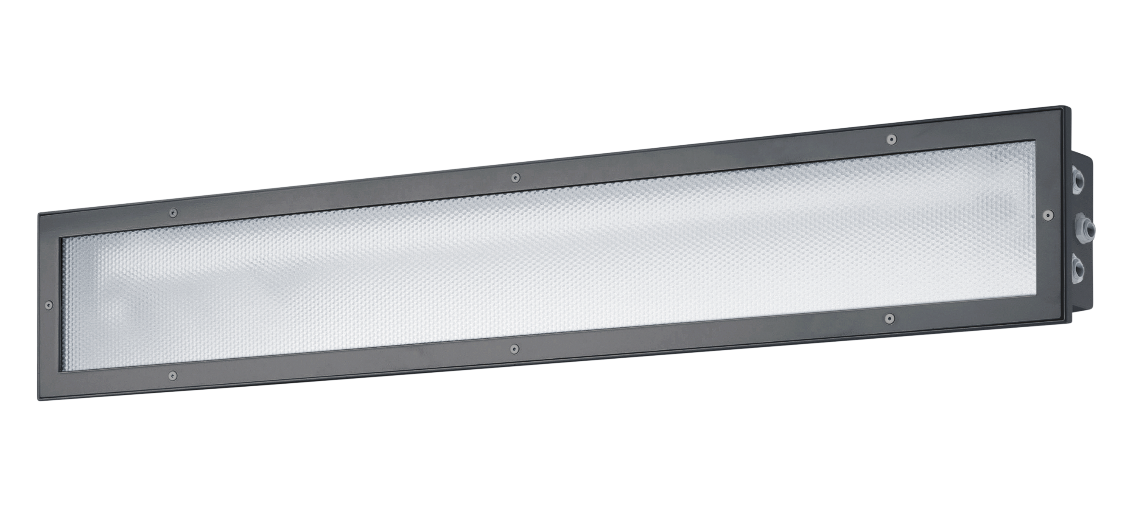
PHALANX LINEAR 240 (6 Articles)
Extremely impact-resistant recessed luminaire with IK11+ (up to 150 Joule)
Learn more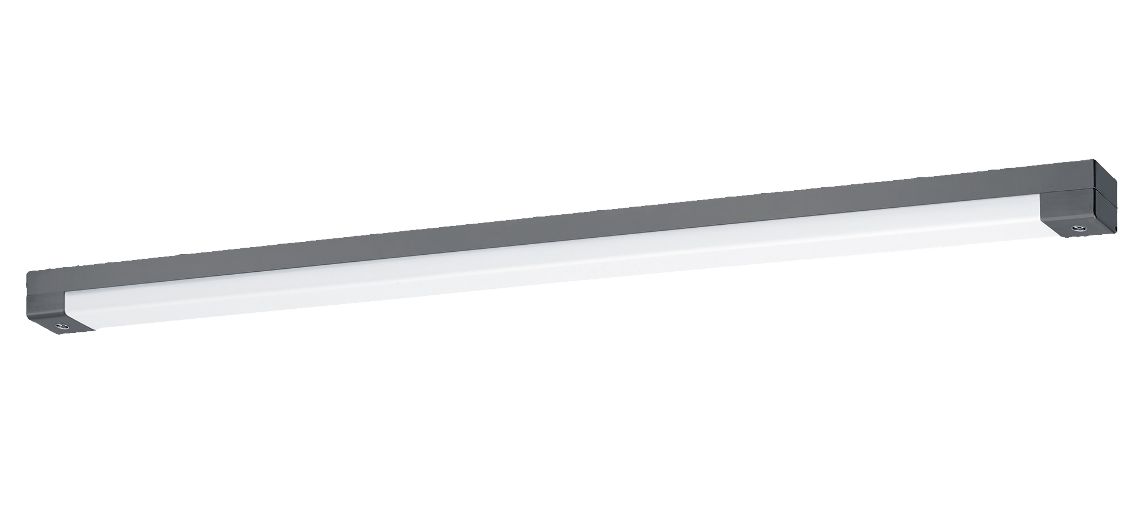
PHALANX LINEAR 75 (4 Articles)
Slim, impact-resistant linear luminaire with IK11+ (up to 150 Joule)
Learn moreIK classification for luminaires: Why impact resistance is key
The impact resistance of luminaires is particularly important in demanding environments such as industrial plants, access routes, public transport and street lighting. A high IK class ensures that the lighting remains functional even in the event of accidental or intentional damage.
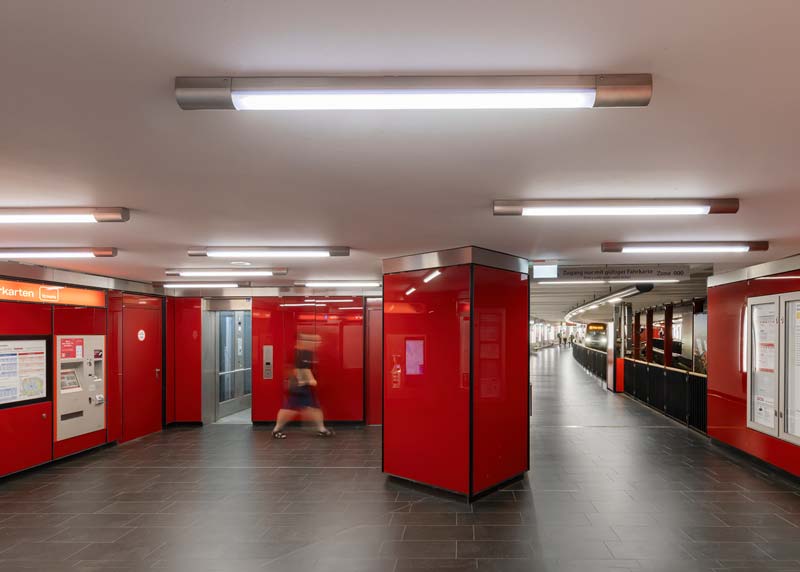
Luminaires in passageways, railway stations, prisons or car parks are often exposed to deliberate violence. Here, IK10 or IK11 luminaires are particularly recommended to minimise long-term maintenance costs and safety risks. In industrial environments, on the other hand, luminaires not have to withstand vandalism, but also accidental impacts from vehicles or machinery.
The IK class also plays a role in the selection of materials for the luminaire housing. Metal housings or resistant plastics such as polycarbonate or tempered glass are common materials to ensure high impact resistance.
Choosing the right IK classes: What should you look out for?
Conclusion: Why the correct IK classification is crucial for luminaires
The IK classification plays an important role in the planning and installation of lighting systems. Correct selection of the IK class increases operational safety, reduces maintenance costs and ensures that the lighting remains functional in areas with potential mechanical impact.
Building owners, installation companies and technical planning offices should therefore always take into account the requirements of the respective area of application and be guided by the specifications of EN 62262.
Particularly in areas at risk of vandalism and industrial environments, robust luminaires with a high IK class are a key factor for longevity and cost-effectiveness. Well thought-out planning not only helps to reduce repair costs, but also ensures reliable lighting in safety-critical areas.
Do you agree to the use of Matomo?