
IP rating: The right choice for industrial lighting
What does IP rating mean? Definition and meaning
The IP rating (Ingress Protection Rating) is an international standard defined in the DIN EN 60529 standard. It indicates how well an electrical device is protected against the ingress of foreign objects (e.g. dust) and moisture (e.g. water). The protection rating is made up of the letters ‘IP’ followed by two digits. The scope of protection is defined for each digit.

First digit
Protection against solid foreign objects (e.g. dust, contact)
Second digit
Protection against water (e.g. splash water, water jets, submersion)
Choosing the right type of protection affects the maintenance cycle and the service life of the light. If an unsuitable type of protection is selected for the respective application, this can result in more frequent maintenance and a shorter service life.
Table: What IP ratings are there?
The degrees of protection of the IP codes range from low protection, such as for decorative lighting, to very high protection for luminaires labelled IP 65, IP 66, IP 67 or IP 68 and IP 69K. Luminaires with a high protection rating that are dustproof and waterproof are used primarily in industrial applications.
Protection against the ingress of foreign bodies
IP-Code | Description |
|---|---|
0 | No protection |
1 | Protection against large foreign bodies > 50 mm |
2 | Protection against medium-sized foreign bodies > 12 mm |
3 | Protection against small foreign bodies > 2.5 mm |
4 | Protection against granular foreign bodies > 1 mm |
5 | Protected against dust |
6 | Dust-proof |
Protection against the ingress of water
IP-Code | Description |
|---|---|
0 | No protection |
1 | Protection against vertically falling drops of water |
2 | Protection against drops of water falling at an angle |
3 | Protection against direct water spray |
4 | Protection against water spray |
5 | Protection against water jets |
6 | Protection against strong water jets |
7 | Protection against immersion in water |
8 | Protection against long periods of immersion under pressure |
9K | Protection against water ingress during high-pressure and steam jet cleaning |
Table: Overview of the individual IP code details and their meaning
Example: What does IP 65 mean for a luminaire?
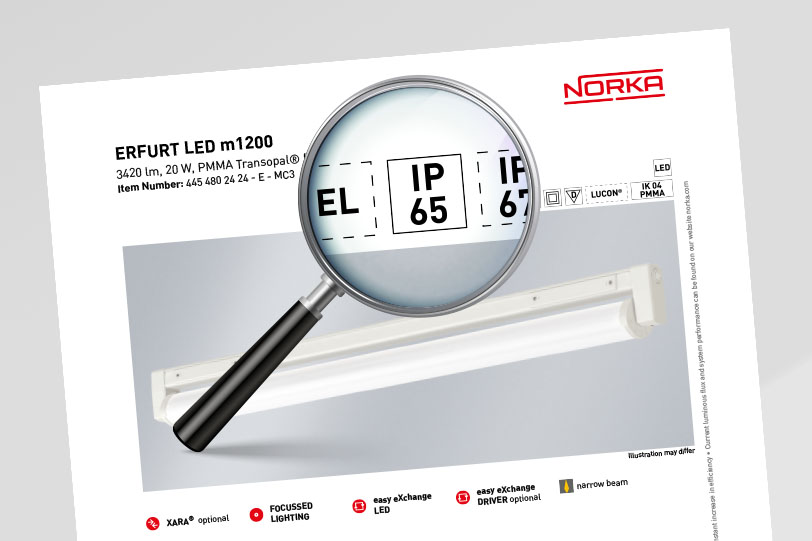
A luminaire with protection class IP 65 is labelled as ‘dust-tight’ (first digit 6) and ‘protected against water jets’ (second digit 5). Luminaires with this protection rating can be used in environments where dust is a potential disturbing factor. Moderate cleaning work on the luminaires, such as wiping or use in uncovered outdoor areas, is also possible.
Our lights are designed for use in professional and industrial environments, which is why the portfolio of NORKA LED luminaires includes IP ratings from IP 65 to IP 69K.
IP rating and IP protection class - what's the difference?
IP rating: The IP rating describes the protection against foreign bodies and water (e.g. IP 65, IP 67).
Protection class I, II or III: There is no IP protection class in the current standards. The term protection class indicates the technical principle used to ensure protection against electric shock.
A typical mistake in planning is the assumption that a high IP rating automatically means a safe protection class. Both factors must be considered separately.
How is the IP rating tested?
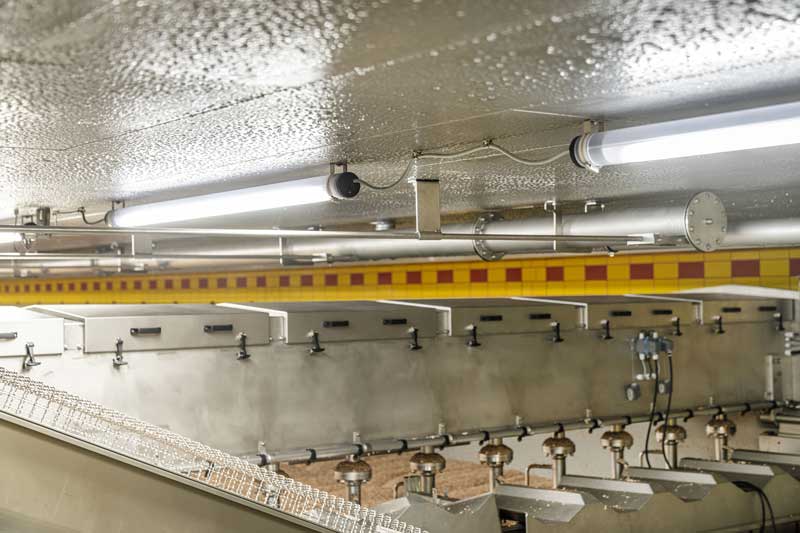
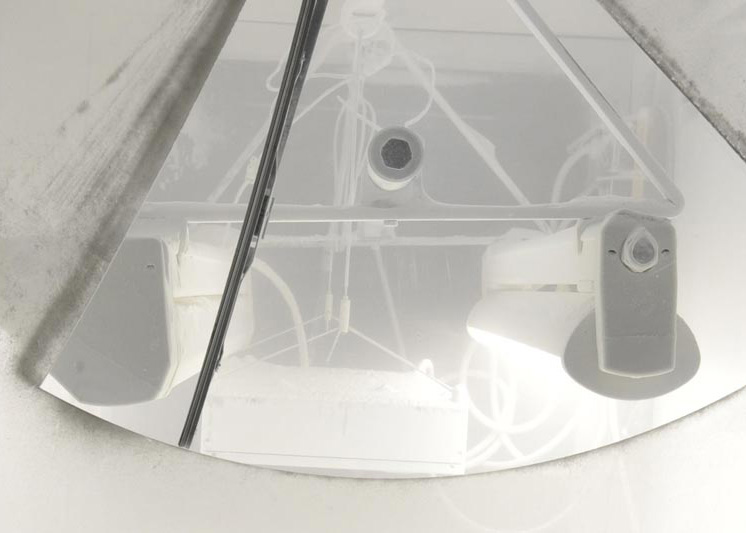
The protection ratings are tested using various methods, depending on the requirements. For example, the dust-tightness test is carried out using a dust chamber. A check is then carried out to determine whether the inside of the enclosure is contaminated. Resistance to water ingress is tested using different quantities of water - by means of nozzles - or pressurised containers.

What do you need to consider when selecting the IP rating?
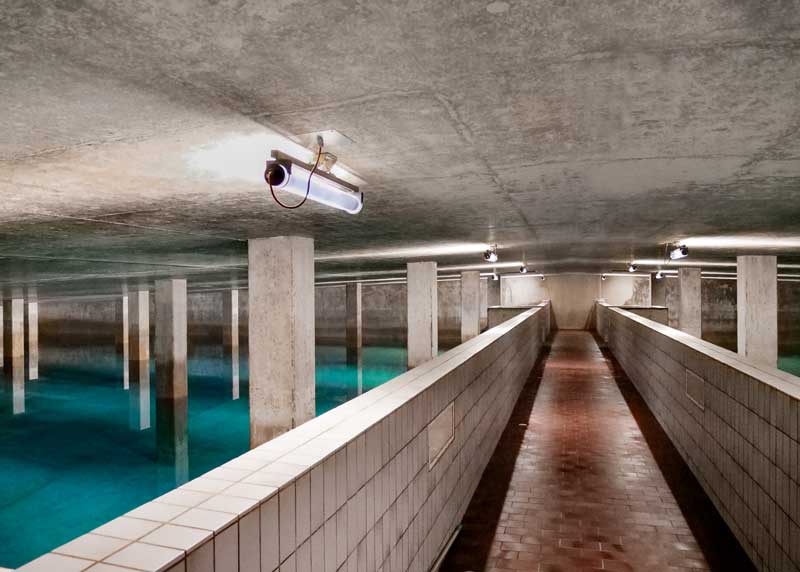
Selecting the right IP rating is an important factor for the safety and efficiency of industrial lighting solutions. Insufficient protection can lead to failures or safety risks. Dust, water, chemicals and mechanical loads place high demands on industrial luminaires. The following factors should be taken into account when selecting a luminaire with regard to the IP rating:

Conclusion: Importance of the IP rating when purchasing luminaires
Choosing the right IP rating is an important factor when purchasing luminaires. It contributes significantly to the longevity of the products, as it protects against the ingress of dust and moisture. This prevents damage to electrical components and extends the service life of the luminaire - especially in demanding areas of application.
A suitable protection rating also results in lower maintenance costs. As fewer defects occur, maintenance costs are reduced and operation becomes more efficient. This is a clear advantage, especially for installations that are difficult to access.
Safety also benefits: A high degree of protection reduces the risk of short circuits, electrical faults and resulting fires. This is particularly relevant in sensitive areas such as industrial plants, public facilities or fire hazard zones.
Overall, the IP rating is a decisive criterion for reliable, economical and safe luminaire operation.
Do you agree to the use of Matomo?